Hourly Wage to Salary Calculator – Free Online Calculator
Quickly convert your hourly wage to salary with our free online calculator. Enter your rate and working hours to instantly see your earnings — accurate, easy, and perfect for budgeting or comparing pay across different time periods.
Convert Hourly Rate to Salary Results
Invalid unit


Convert to Salary Results
Instantly see how your converts across different pay periods. This salary breakdown helps you compare your hourly rate, weekly earnings, monthly income, and annual salary — all calculated automatically based on your input.
*Note: This salary calculator assumes 5 working days per week and ignores holidays or paid vacation days.
How to Calculate from
Learn the simple formula to convert your into a manually. This helps you understand how many working hours and weeks go into your — even without using a calculator.
to Formula Explanation
To calculate your from your , use this formula: This formula assumes a consistent number of working hours or days per period.
Convert $ to Yearly Salary
Here’s how the hourly-salary to yearly calculation works: Annual Salary = = USD 0.00/yr So, if you earn USD 0/hourly-salary, your yearly would be USD 0.00/year, assuming a standard full-time schedule.
Wage to Salary: Calculator & Conversion Table
Use this chart to convert Hourly Pay to Yearly Salary and vice versa. All values assume 40 hours per week and 52 working weeks per year.
Salary and Employee Benefits
Understanding your total income goes beyond just the base pay. This section explains what salary is, what employee benefits are, and how they contribute to your overall compensation.
Salary
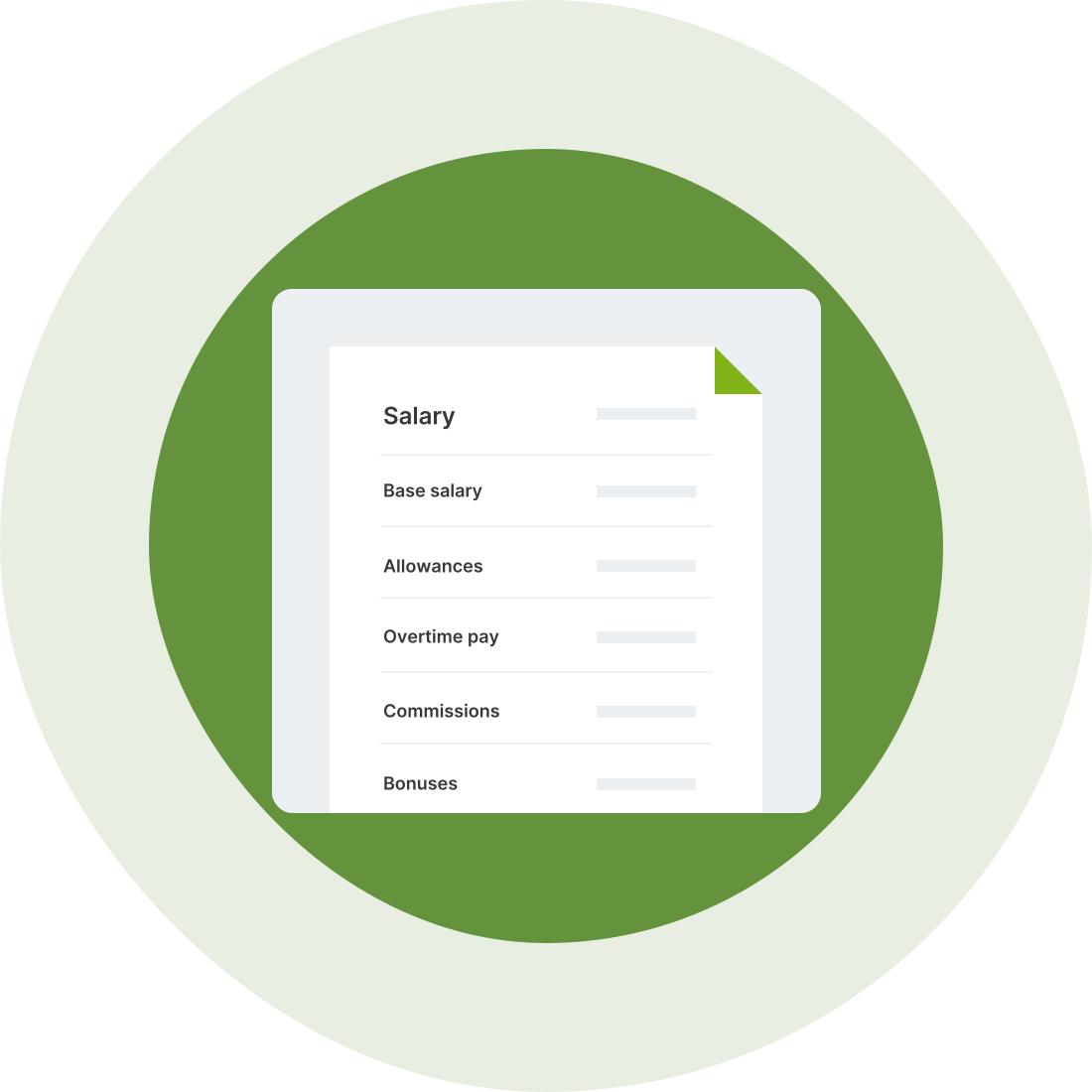
Salary is the pay you earn for your work, expressed hourly, daily, weekly, monthly, or annually. It forms the foundation of your income and is often used for budgeting and financial planning. Additional components of salary may include: - Overtime Pay: Extra pay for working beyond standard hours - Performance Bonuses: Rewards based on individual or company performance - Holiday / Shift Differentials: Extra pay for working holidays or less desirable shifts - Commissions: Earnings based on sales or targets in certain roles Considering all these elements gives a more complete understanding of your actual income from salary alone.


Employee Benefits
Employee benefits are perks provided by your employer beyond base pay. They add significant value to your total compensation and can sometimes exceed a substantial portion of your salary. Examples include: - Health Insurance: Medical, dental, and vision coverage - Retirement Contributions: Employer contributions to pension or 401(k) plans - Bonuses: Annual or performance-based incentives - Other Perks: Gym memberships, transit passes, meal allowances, wellness programs, and more Understanding benefits helps you see the full value of your job offer and compare opportunities more accurately.
Pay Frequencies Explained: How Often You Get Paid
Discover the common salary and wage pay periods, including how often payments occur and what each frequency means for your income planning.
6 Key Factors That Affect
Multiple personal and professional factors, such as experience, education, and location, can significantly affect your earning potential and career growth.
Age Factor
Salaries tend to increase with age as experience and expertise accumulate, often peaking between 40-65 years in most industries.
Education Level
Higher degrees, professional certifications, and specialized training generally open the door to higher-paying roles and promotions.
Work Experience
The more years of relevant experience you have, the greater your opportunities for higher salaries and advanced positions.
Gender & Race
Pay differences exist across demographics; being aware of these disparities can help guide negotiations and career decisions.
Industry & Role
Certain industries and job functions pay more due to demand, required skill levels, and competitive market conditions.
Location Impact
Geographic area affects salary levels because of regional cost of living, local demand for skills, and industry concentration.
6 Effective Ways to Increase Your
Proven strategies to boost your earnings over time, including improving skills, gaining experience, and making smart career moves.
Enhance Education
Pursue higher degrees, certifications, or specialized training to enhance skills, market value, and earning potential.
Gain Experience
Take on challenging projects and accumulate industry experience to demonstrate capability and justify higher compensation.
Build Network
Join professional organizations, attend industry events, and build connections to uncover opportunities and career growth.
Performance Review
Present measurable achievements and results during evaluations to negotiate meaningful salary increases.
Negotiate Pay
Actively discuss salary, benefits, and role adjustments with your employer to ensure compensation aligns with contributions.
Change Jobs
Strategically switching roles or companies can lead to substantial salary increases and better overall benefits packages.
Related Calculators: Convert Your Salary Across Different Pay Periods
Explore related salary calculators to easily convert your earnings across hourly, daily, weekly, monthly, or yearly pay periods and better understand your total income.
FAQs About Hourly to Salary Conversion
Find answers to common questions about converting your hourly wage to salary, including calculations, payment frequencies, and benefits.
How much is $25 hourly wage in yearly salary?
If you earn USD 25.00 per hourly-salary, that equals approximately USD 25.00 per year based on standard working assumptions (40 hours/week, 52 weeks/year and 5 days/week).
How do I convert from to ?
Manual formula: multiply your rate by the period factor to get annual, then divide by target factor. Example: Annual salary = USD 25.00 × 1 = USD 25.00 → USD 25.00/year.
Why does my differ from others?
Because different people work different hours or weeks. Even if two people earn USD 0 , their total income may differ.
Can I use this calculator for bonuses or commissions?
Yes, just include the average bonuses in your base rate. For example, USD 0 per will give a more accurate result.
What’s the benefit of converting to ?
It helps compare job offers and budgeting. For example, knowing your USD 25.00 hourly-salary equals about USD 25.00 per yearly makes salary comparisons much clearer.